
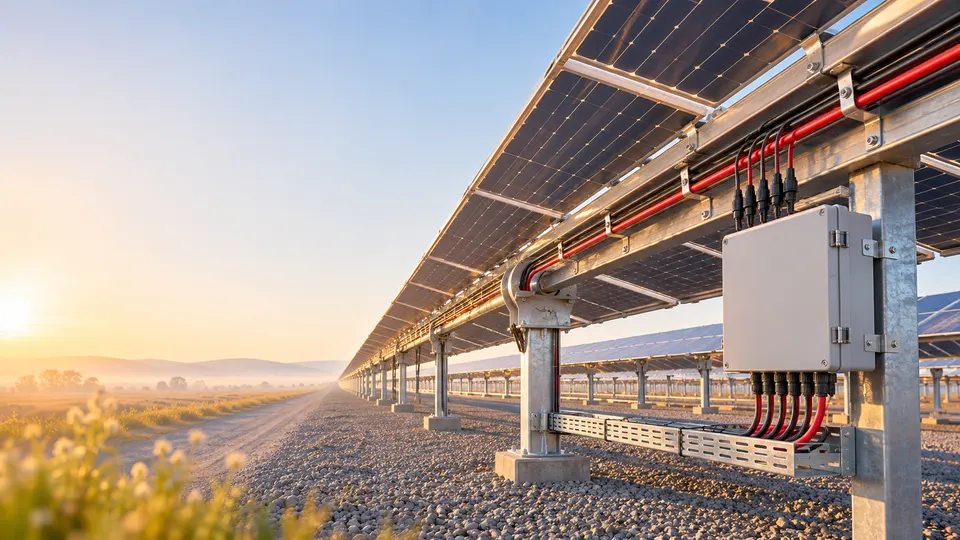
Every string, every kilometre. Cabled for 25 years in the sun.
EN 50618 H1Z2Z2-K and UL 4703 PV wire, aluminium DC home-runs, AC and 33 kV collector cables and ready-made MC4 harnesses — one supplier from the module to the substation.
Standards we build toEN 50618IEC 62930UL 4703TÜV 2PfG 1169IEC 62852IEC 60502-2AD8RoHS
Product range
Six product lines covering the whole PV plant — from the module lead to the 33 kV collector circuit.
 4 × Models
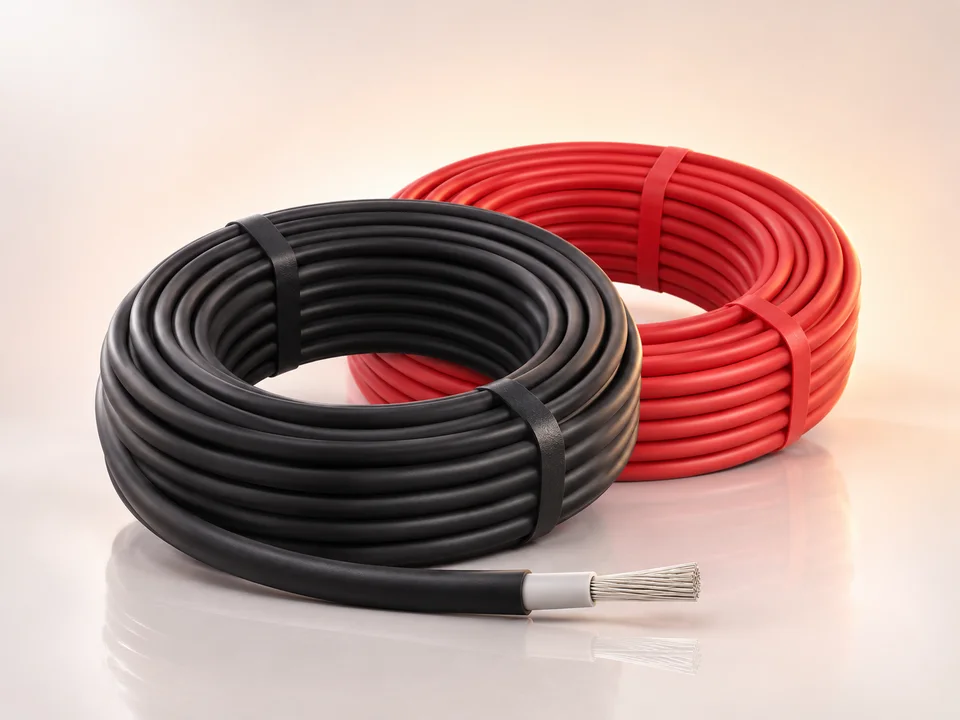
UL PV wireUL 4703 PV wire 600 V to 2 kV, 14 AWG to 500 kcmil, for NEC 690 projects.
 1 × Models
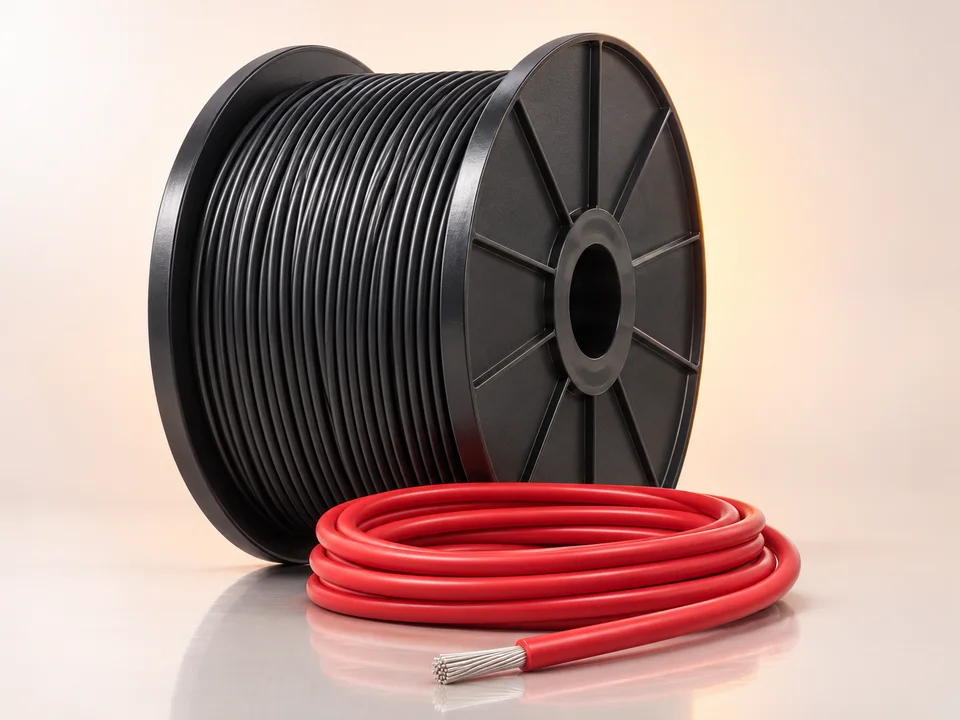
Aluminium solar cablesAluminium-alloy DC home-run cables 16–400 mm², 1.5 kV DC, lower cost per metre.
 1 × Models
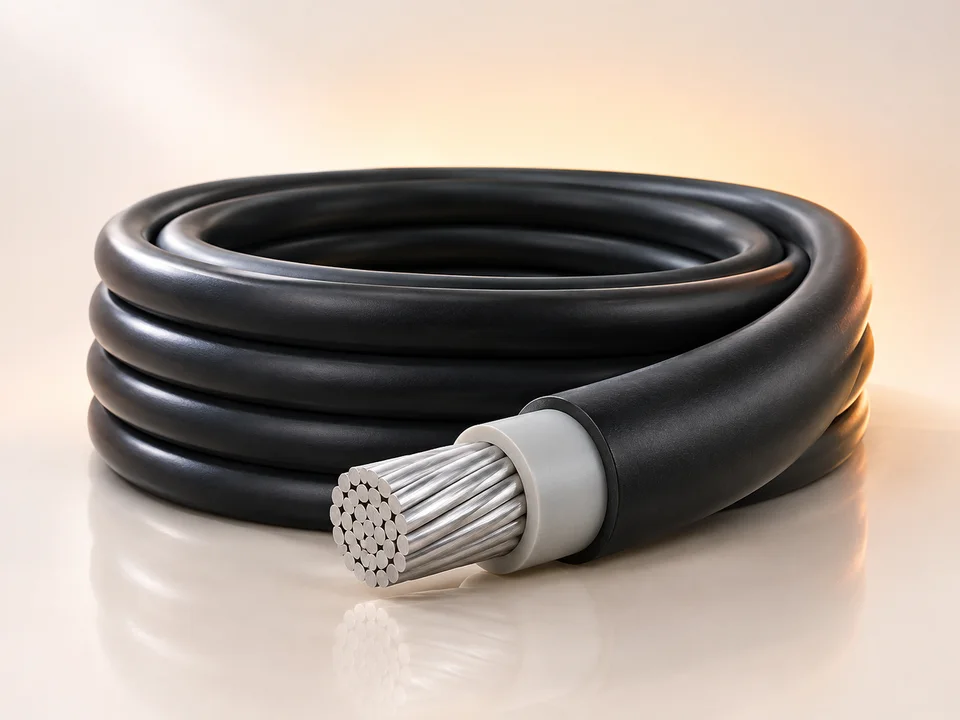
AC & MV collector cables0.6/1 kV inverter AC cables and 18/30–26/35 kV XLPE collector cables for PV plants.
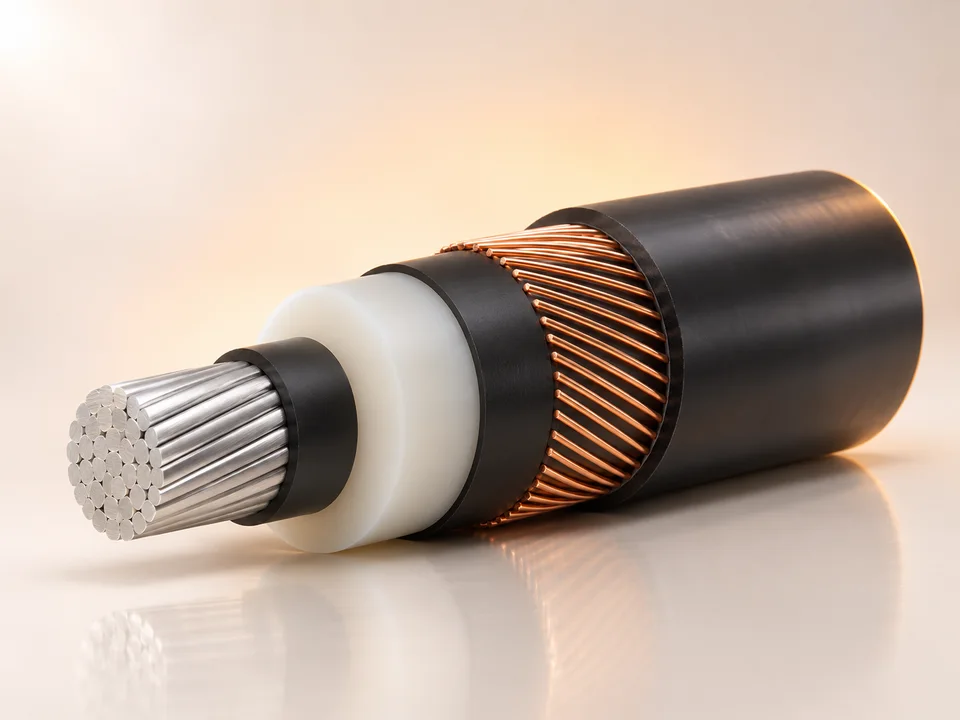 2 × Models
Cable assembliesMC4 extension leads, Y-branch and trunk harnesses built to your array drawing.
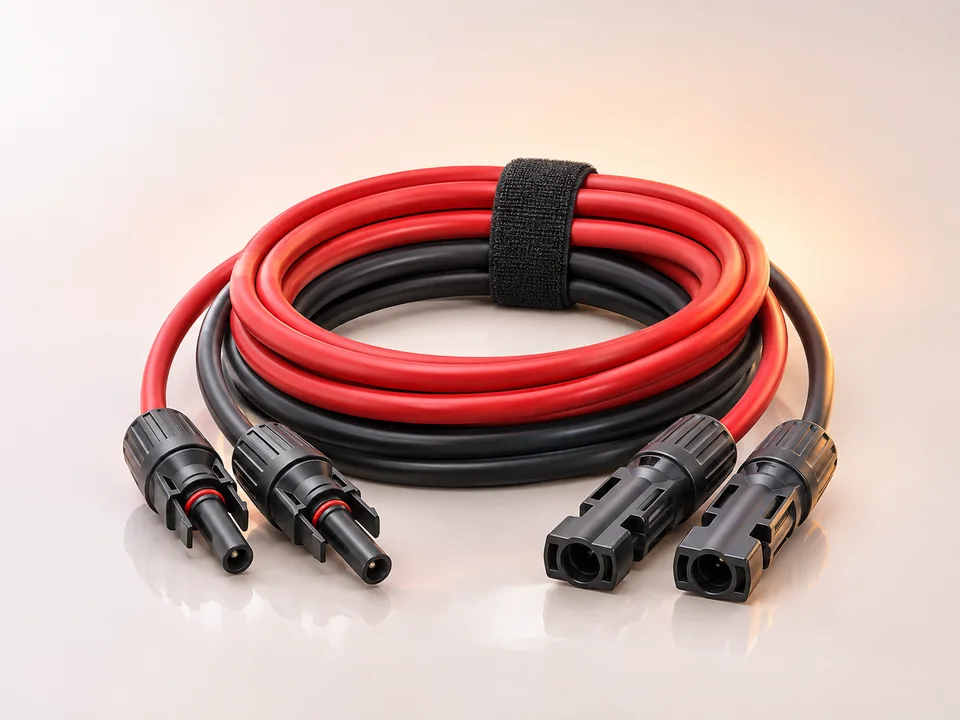 2 × Models
Connectors & accessories1,500 V MC4-type connectors and branch connectors, IP68, IEC 62852.
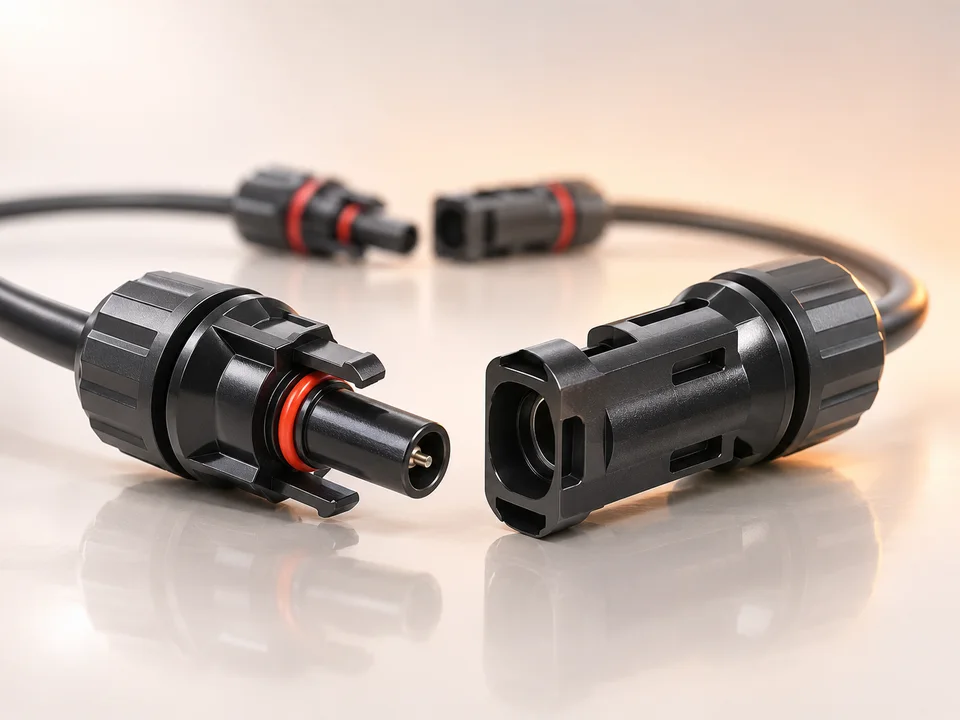 1 × ModelsAll productsConstruction data, conductor resistance and current ratings on every product page.
11 × Models
Which cross-section do your strings need? Find out in 20 seconds.
Enter the string current, voltage and cable route. We check voltage drop and current rating, pick the next standard size and suggest the matching cable — then an engineer confirms it.
Recommended size
6mm²
Voltage drop—
DC loss
Suggested cables
Indicative: A = 2·L·I·ρ ÷ (ΔU·U), with I = 1.25 × Isc and conductor resistance at 90 °C; ampacity per EN 50618 Annex A with ambient derating. Final sizing is confirmed by our engineers.
Featured solar cables
Construction data, conductor resistance and current ratings on every product page.
DC solar cables · H1Z2Z2-K 1×4H1Z2Z2-K Solar Cable EN 50618, 1.5 kV DCThe standard DC string cable for 1,500 V solar plants — 4 mm² and 6 mm² in stock colours.
- Cross-section1.5 – 240 mm²
- Rated voltage1.5 kV DC
- StandardEN 50618
 DC solar cables ·
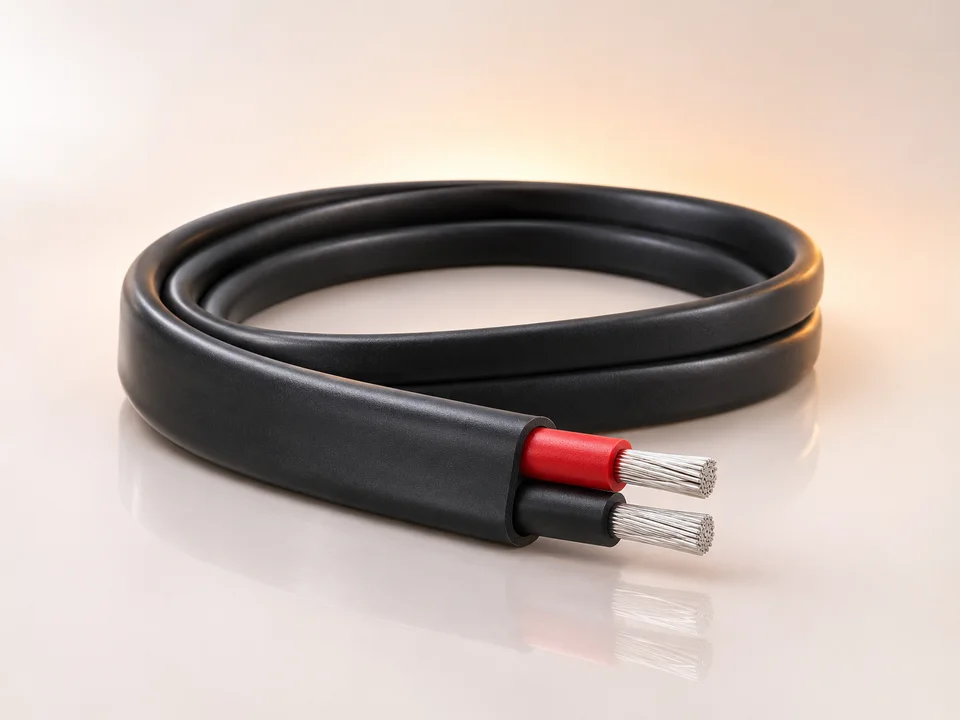
H1Z2Z2-K 2×4Twin-Core Solar Cable H1Z2Z2-K 2×4 / 2×6 mm²Plus and minus in one sheath — faster, neater rooftop runs.
- Cross-section2 × 2.5 – 2 × 10 mm²
- Rated voltage1.5 kV DC
- StandardEN 50618
 DC solar cables ·
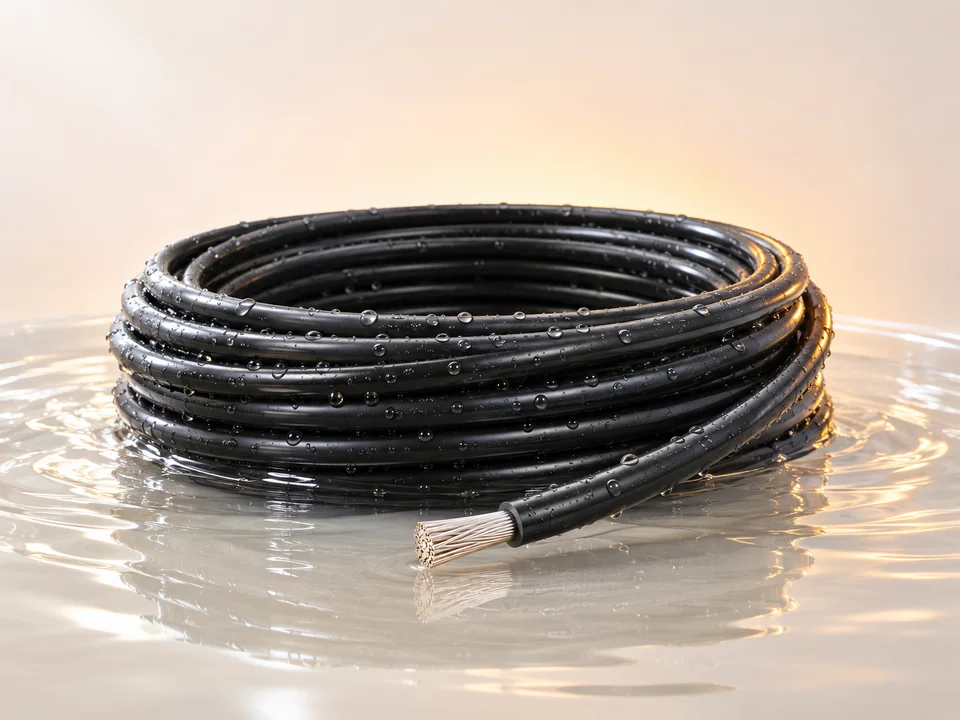
H1Z2Z2-K AD8 1×4Floating PV Solar Cable, AD8 Water-ResistantMade to lie in water for years — for floating plants and wet ground.
- Cross-section1.5 – 240 mm²
- Rated voltage1.5 kV DC
- StandardAD8 · EN 50618
UL PV wire · PV Wire 2 kV 10 AWGUL 4703 PV Wire 600 V / 1 kV / 2 kVPhotovoltaic wire for NEC 690 arrays in North America.
- Cross-section14 AWG – 500 kcmil
- Rated voltage600 V / 1 kV / 2 kV
- StandardUL 4703
Aluminium solar cables · XY-PVAL 1×70Aluminium-Alloy Solar DC Cable 1.5 kVCut DC home-run costs by up to half on large plants.
- Cross-section16 – 400 mm² Al
- Rated voltage1.5 kV DC
- StandardIEC 62930
Made by Xinya
AC & MV collector cables · NA2XS(F)2Y 18/30 kV33 kV MV Collector Cable, XLPE Aluminium / CopperThe collector circuit between your box transformers and the plant substation.
- Cross-section50 – 630 mm²
- Rated voltage18/30 – 26/35 kV
- StandardIEC 60502-2
From the module to the grid — every cable, one supplier.
Pick a project type and follow the power through the plant, with the matching cable on every section.
- 1PV modules & stringsH1Z2Z2-K Solar Cable EN 50618, 1.5 kV DC
- 2String combiner boxAluminium-Alloy Solar DC Cable 1.5 kV
- 3Central / string inverterAC Inverter Cable 0.6/1 kV XLPE (Cu / Al)
- 4Step-up box transformer33 kV MV Collector Cable, XLPE Aluminium / Copper
- 5Plant substation & grid
Module leads and H1Z2Z2-K string cables run to the combiner box; aluminium DC home-runs feed the inverter, AC cable connects the step-up transformer and 33 kV collector cable carries the power to the plant substation.
Assemblies & OEMY-Branch Solar Cable Harness H1Z2Z2-K · EN 50618
Inside a solar cable built for 25 years.
A PV cable lives on a roof or tracker in full sun, frost, rain and wind for decades. Every layer of our DC cable is chosen for that life — and tested for it.
- Tinned copper, class 5
Fine tinned strands stay flexible on the tracker and resist corrosion in humid and coastal air.
- E-beam cross-linked XLPO
Electron-beam cross-linked insulation and sheath: 120 °C conductor rating, halogen-free, UV and ozone resistant.
- 1.5 kV DC, double insulated
Rated 1.5/1.5 kV DC (1.8 kV max.) for today's 1,500 V string designs, class II safety.
- Assemblies to your drawing
Extension leads, Y-branches and complete harnesses cut, crimped, tested and labelled per string.
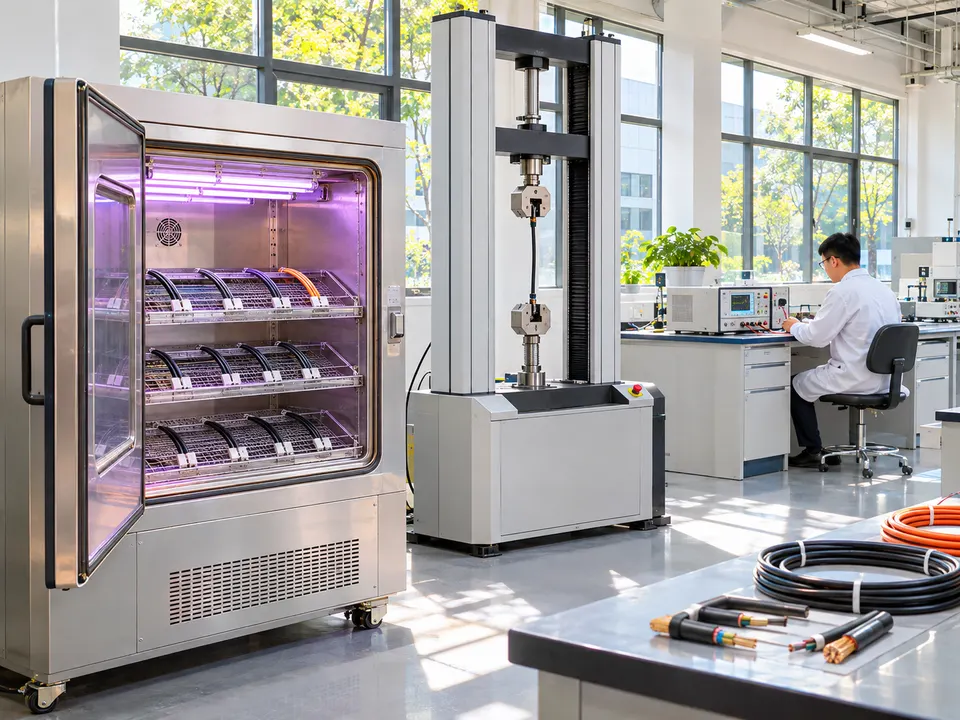
Every length tested before it ships.
Routine tests on every production length, sample tests on every batch, and construction to EN 50618, IEC 62930 and UL 4703.
Tests on every batch
- Conductor resistance at 20 °C
- Spark test on insulation and sheath
- AC / DC voltage withstand
- Insulation resistance at 90 °C
- Dimensions and eccentricity
- Hot-set test (cross-linking)
- Tensile and elongation before and after ageing
Test reports and certificate copies are shared with your quotation — ask for the documents your project requires.
 Cable test laboratory
Standards we build to
- EN 50618H1Z2Z2-K · 1.5 kV DC
- IEC 62930PV cables · 1.5 kV DC
- UL 4703PV Wire · 600 V – 2 kV
- 2PfG 1169PV1-F · 1.8 kV DC
- IEC 62852DC connectors · 1,500 V
- IEC 60502AC & MV power cables
- IEC 60332-1-2Flame propagation
- IEC 60754 · 61034Halogen-free, low smoke
Where our cables work
Six kinds of PV project, each with a proven cable line-up.
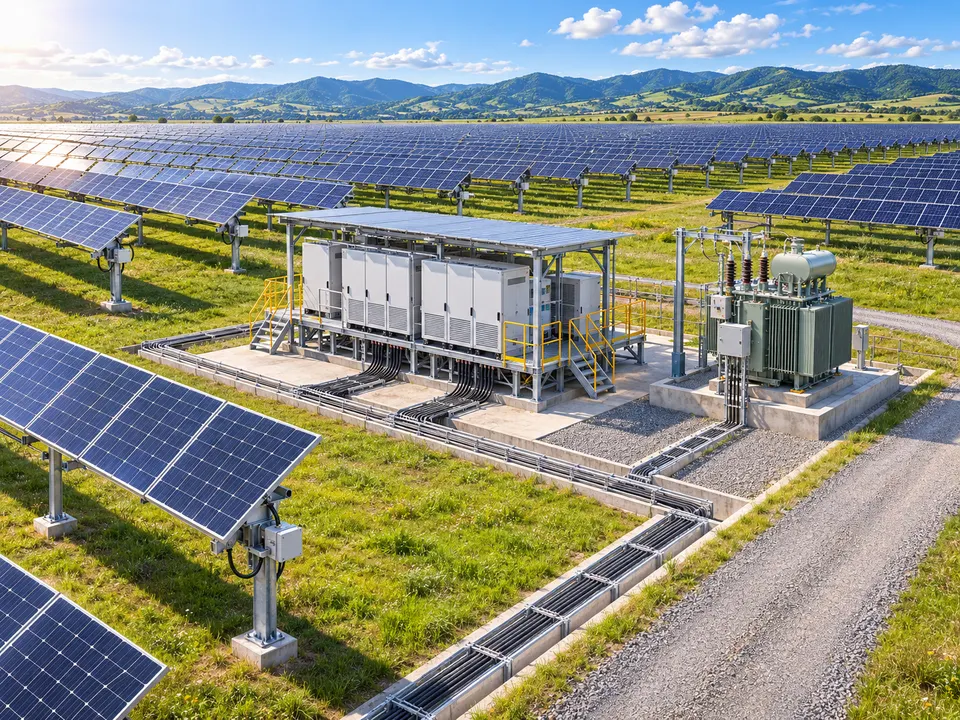 Utility-scale solar farmsDC, AC and MV cables for 10 MW to GW plants.
Learn more
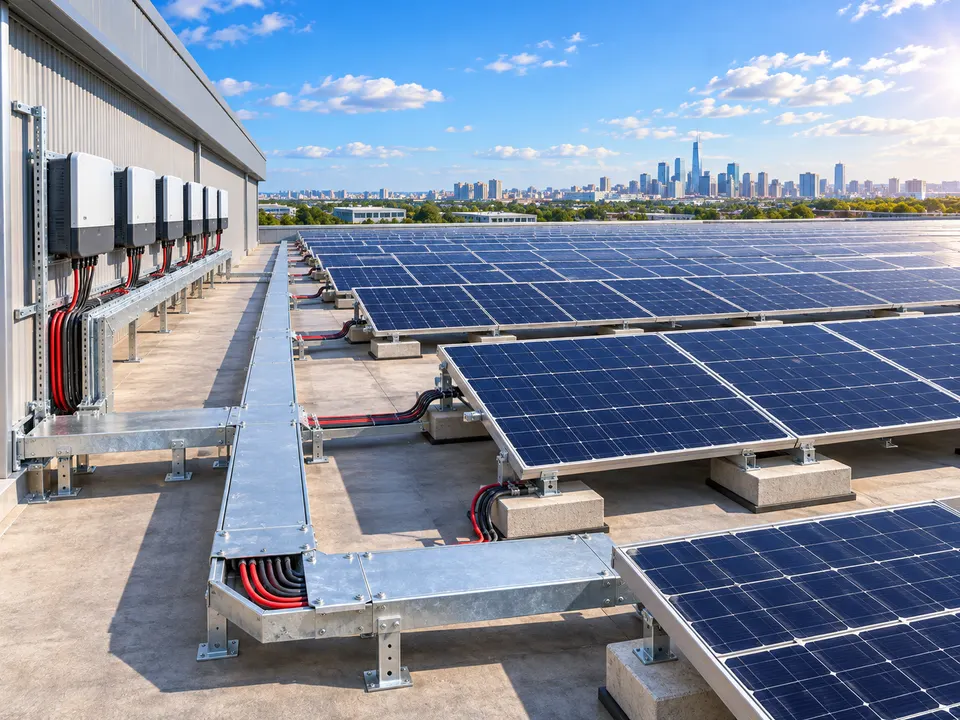 Commercial & industrial rooftopsFire-safe, halogen-free cables for factory and warehouse roofs.
Learn more
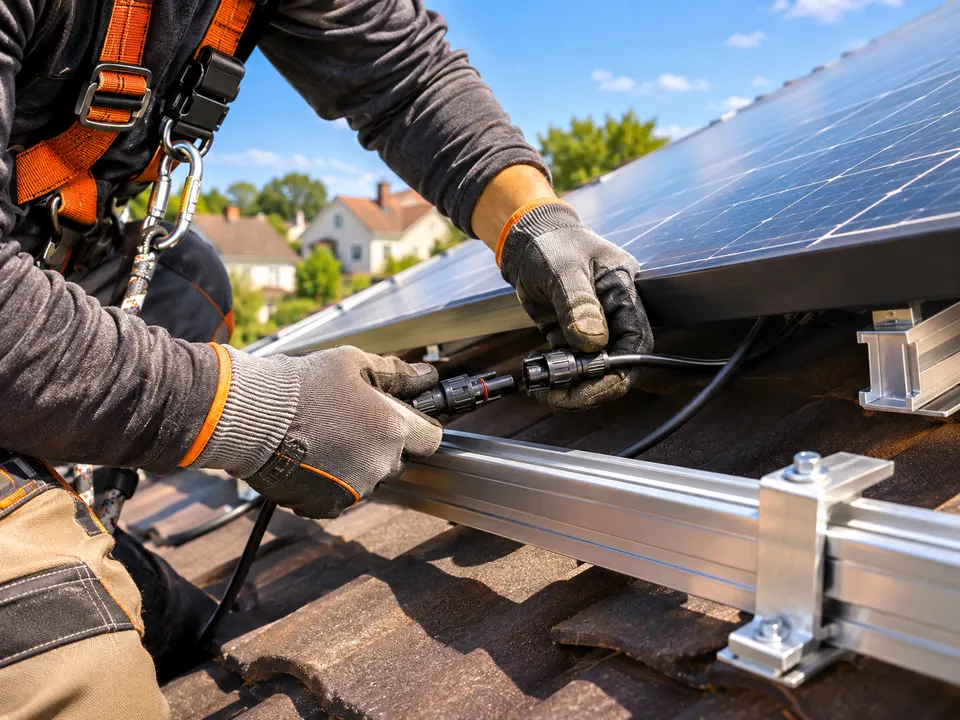 Residential rooftopsSmall coils and ready-made leads for installers.
Learn more
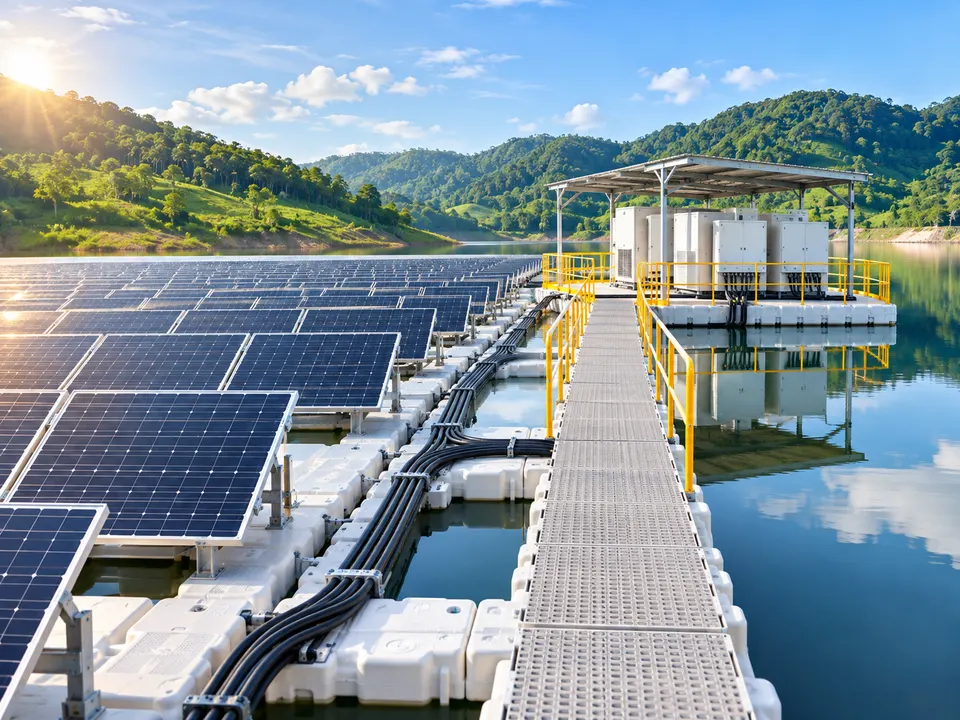 Floating PV & wet sitesAD8 water-resistant cable for reservoirs and ponds.
Learn more
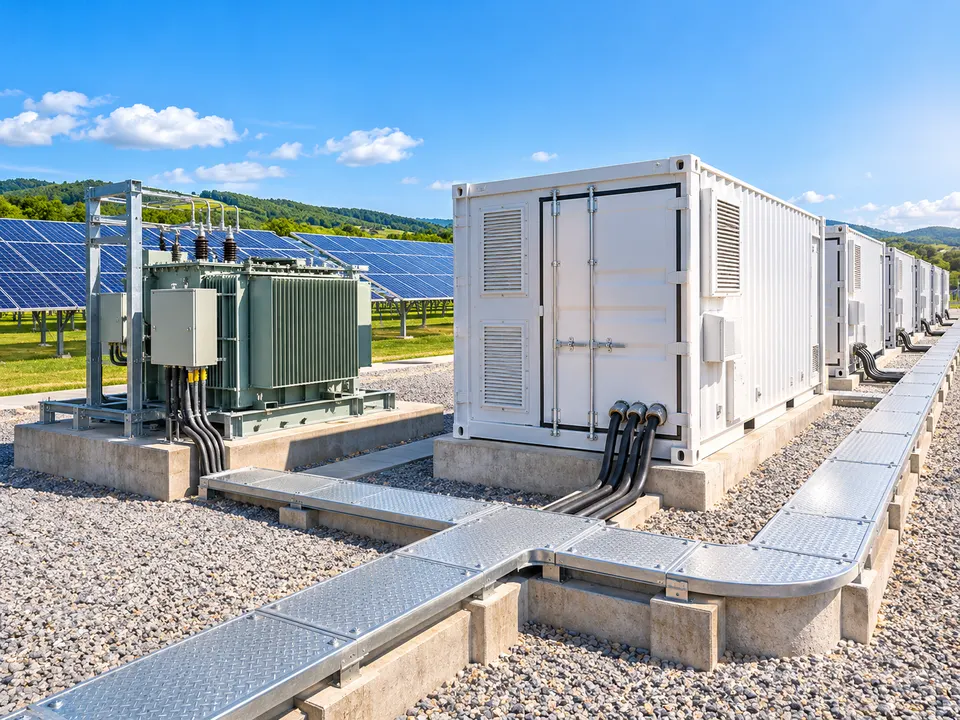 Solar + battery storageDC and AC cables for BESS containers and PCS.
Learn more
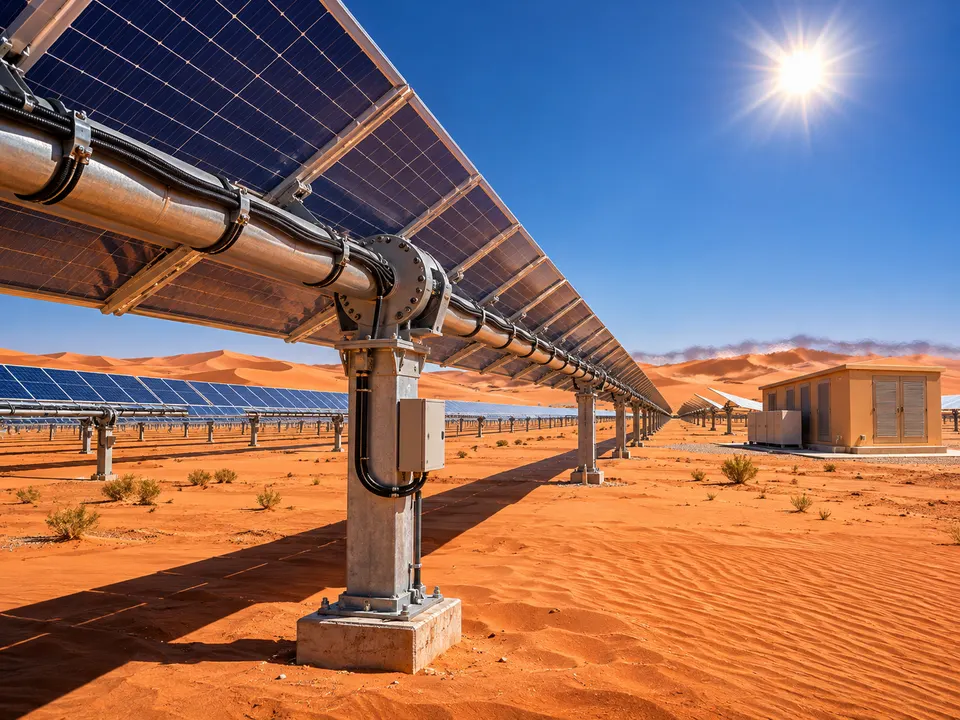 Desert & hot climatesCables for 50 °C ambient, sand and strong UV.
Learn more
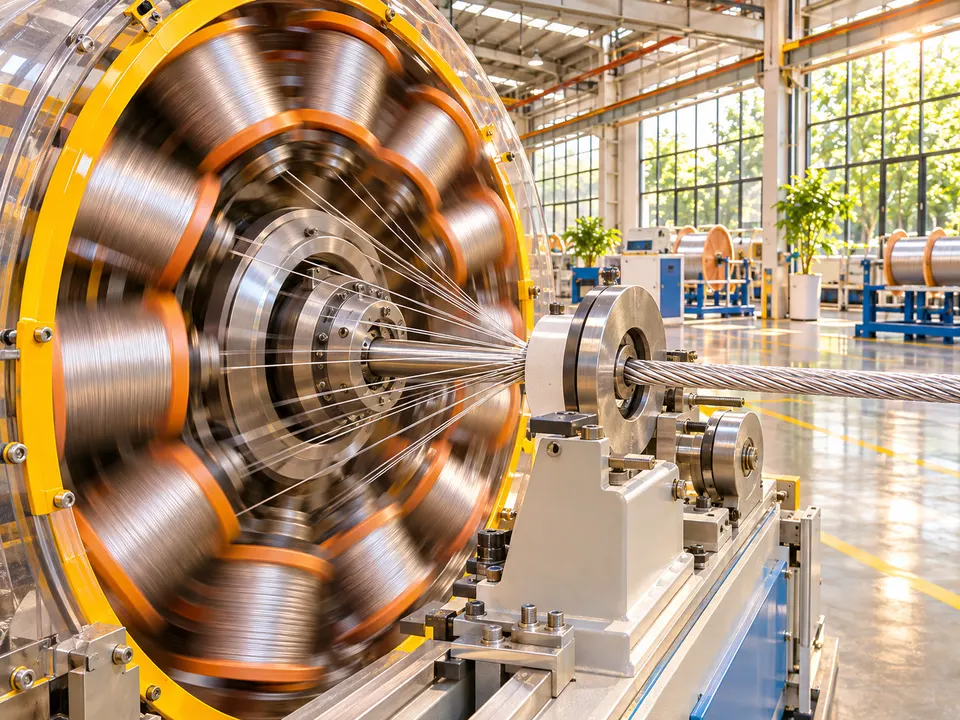
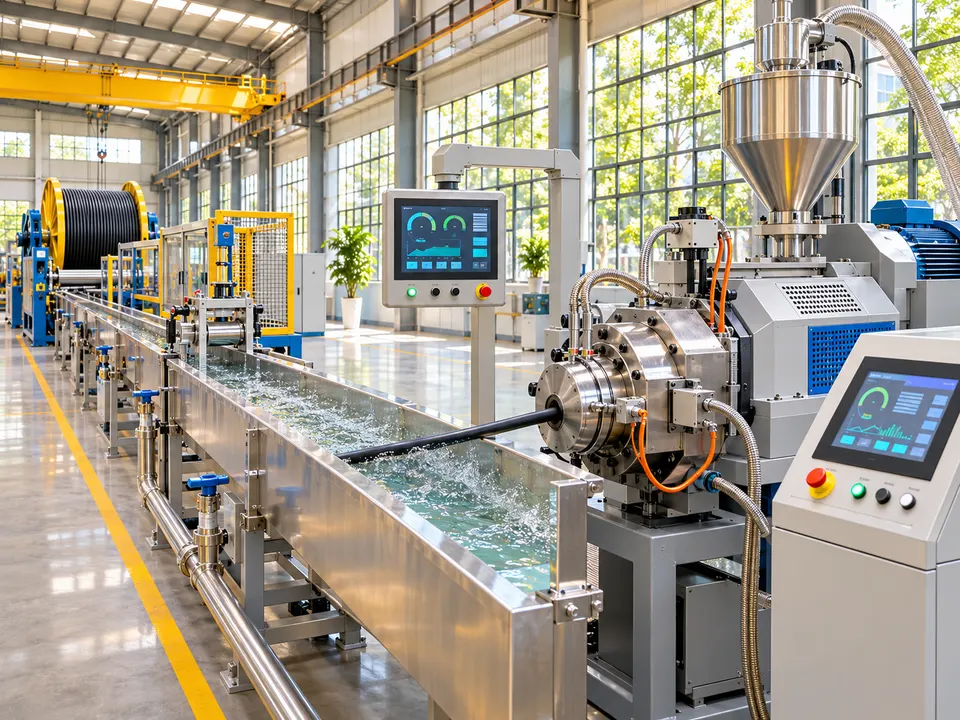
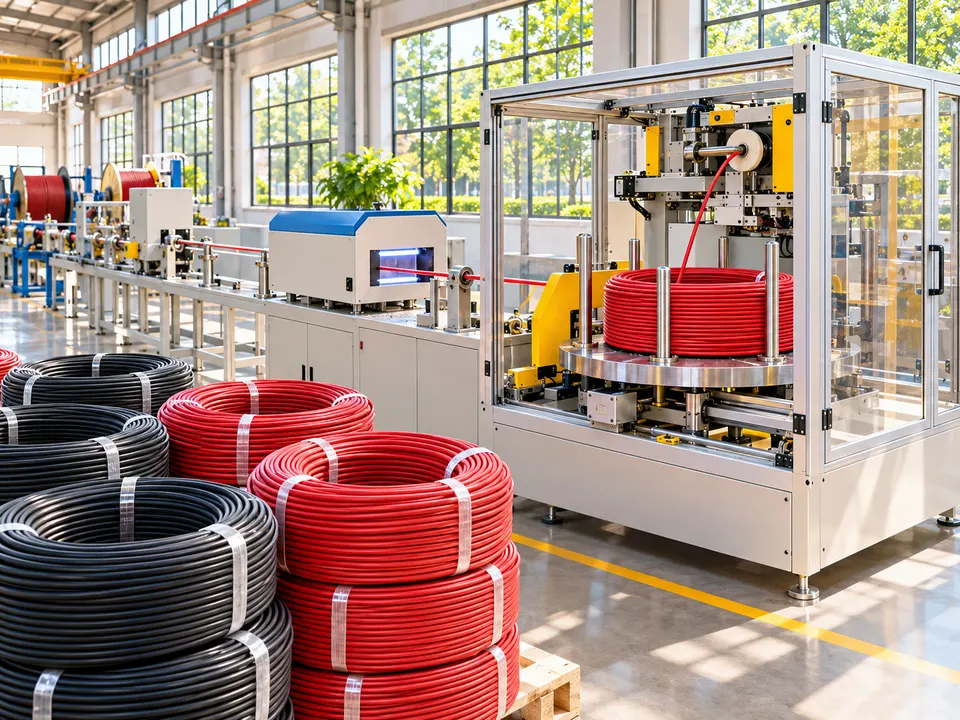
How a solar cable is made.
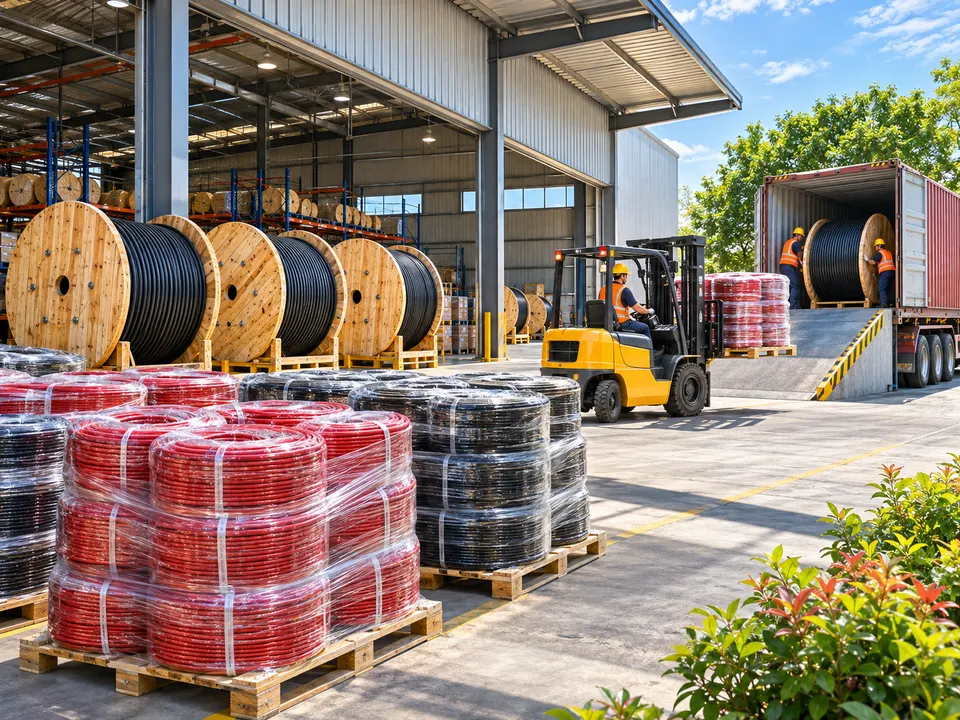
Six production steps decide whether a PV cable survives 25 years outdoors: stranding, extrusion, electron-beam cross-linking, spark testing, laboratory checks and packing.

What you actually get
Every inquiry is answered by an engineer, not a sales script.
Send the array layout. We return sizes, lengths, drum plan and a voltage-drop check.
Get a quoteEvery coil and drum is metered on the line; the packing list shows the real length.
Get a quoteBatch test reports, standards declarations and certificate copies for your EPC, owner and customs.
Get a quoteExtension leads and Y-branches made to your string drawing, labelled row by row.
Get a quoteFrom inquiry to delivery
A clear path, with an engineer — not a script — at every step.
- 1 / 5Inquiry
Send cable type, sizes, colours and lengths. Reply within one working day.
- 2 / 5Engineering
Sizing check, cable schedule, drum lengths and labelling plan.
- 3 / 5Production
Stranding, extrusion, cross-linking and assembly with progress photos.
- 4 / 5Testing
Routine tests on every length, third-party inspection welcome.
- 5 / 5Delivery
Coils on pallets or drums, documents and shipping marks per project.
Questions buyers ask
Short answers from our engineers. Ask anything else in the inquiry form.
What is the difference between H1Z2Z2-K and PV1-F?
H1Z2Z2-K is the current European standard cable (EN 50618) rated 1.5 kV DC; PV1-F is the older TÜV 2PfG 1169 design rated 1.0 kV AC / 1.8 kV DC between conductors. New 1,500 V plants usually specify H1Z2Z2-K or IEC 62930.
Should I use 4 mm² or 6 mm² solar cable?
It depends on string current and length. 4 mm² suits most residential strings; for long runs or modules above about 13 A, 6 mm² keeps voltage drop below 1–1.5%. Our sizing tool checks both voltage drop and current rating in seconds.
Can I use aluminium cable on the DC side?
Yes, for combiner-box to inverter home-runs of 16 mm² and above. Aluminium lowers cost and weight; it needs about 1.6 times the copper cross-section and terminals rated for aluminium. String cables stay tinned copper.
Do you supply UL 4703 PV wire for the US market?
Yes: PV wire 600 V, 1 kV and 2 kV from 14 AWG to 500 kcmil, sunlight resistant and direct-burial rated, on 500, 1,000 or 2,500 ft reels.
What is the minimum order and lead time?
Standard colours and sizes start from one pallet of coils; drums and assemblies are made to order. Typical lead time is two to four weeks after confirmation — we confirm a firm date with every quotation.
Which documents come with the cables?
Routine test reports for each batch, a packing list with lengths per coil or drum, and certificate or type-test copies for the standards you specify. Third-party inspection before shipment is welcome.
Solar cable & PV market insights
Standards, prices, project news and buying guides — updated daily.
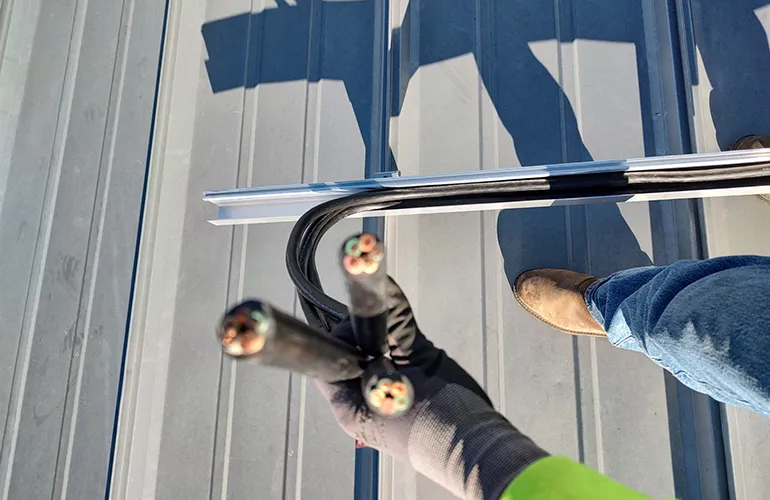 Solar cable: what changed this week (Nov 18, 2026)6 recent developments on solar cable, with links to the original reports and what they mean for solar cable buyers.
 4 mm² or 6 mm² solar cable? How to size DC string cablesString current, cable length and allowed voltage drop decide the cross-section. A worked example, the formula and a quick table for 4 mm² and 6 mm² PV cable.
 H1Z2Z2-K vs PV1-F vs UL PV wire: which solar cable standard?EN 50618, TÜV 2PfG 1169, IEC 62930 and UL 4703 compared: voltage rating, construction and which markets accept which cable.
Planning a solar project?
Send the array layout, string current and route lengths. You get a cable schedule, sizing check and quotation within one working day.